
On Dec. 12, the Combating Auto Retail Scams Rule, or CARS, was promulgated by an activist Federal Trade Commission. It will take effect on July 30, and creates significant new perils for dealers.
In the briefest terms, CARS mandates the following:


 MENU
MENU SEARCH
A simple cheat sheet that can help you prepare in the likely event that the regulation will take effect.

O'Loughlin advises dealers to go ahead and prepare now instead of waiting on pending litigation over the rule to resolve.
IMAGE: Pexels/Gustavo Fring
On Dec. 12, the Combating Auto Retail Scams Rule, or CARS, was promulgated by an activist Federal Trade Commission. It will take effect on July 30, and creates significant new perils for dealers.
In the briefest terms, CARS mandates the following:
The offering price, total payments, and voluntary protection products pricing must be clearly explained and disclosed.
Voluntary protection products must offer true objective value.
Consumers must provide dealers with express and informed consent.
The FTC clearly seeks to amplify disclosures and explanations that must be provided to consumers and, in so doing, create a clear record for prosecuting and litigating dealers for their disclosure failures. Prohibiting junk fees and deceptive trade practices are the government’s objectives. There doesn’t appear to be anything truly new in CARS, just a substantial augmentation of what is currently legally demanded. This is not to say that CARS won’t require new disclosures and protocols, as it probably will, after it’s been thoroughly reviewed and applied. But dealers should re-examine their compliance protocols in certain key areas to avoid CARS from being used against them.
Whenever new laws are enacted to police commercial activity, state, federal and private plaintiffs become motivated to take legal action regarding, not only the new law, but other related consumer-protection laws. In addition, both the FTC and the Consumer Financial Protection Bureau have been encouraging state agencies to advance their federal agendas, which undoubtedly will include CARS.
Every dealer should know all the laws and follow each one diligently and without fail. But is this possible? It probably isn’t because the regulatory burden is substantial. How do government agencies and attorneys decide which dealers to target? Answer: They track the most obvious issues that come to their attention. Dealers need to prioritize their compliance efforts in two areas to avoid this attention: advertising and consumer complaints. The vast majority of cases are brought due to deceptive advertising and unresolved consumer complaints. Controlling these two aspects of dealers’ businesses will reduce the chances of legal problems by approximately 70%.
Government regulators must generate cases as part of their jobs. What could be easier for these regulators than tracking dealer advertising from their offices that is available online or through print or other media? These cases can be quickly developed and are simple to prove. Statutory damages, usually around $10,000 per infraction, can be expensive. In addition, identified dealerships are now on the list of perceived law breakers for future investigations, an unenviable situation.
If regulators receive several complaints regarding a particular dealer, it’s likely that an investigation will be initiated. This means that subpoenas may be served, and copious files will be audited for not only the reasons for which the consumers complained, but for all other detectible legal transgressions. In other words, dealers are enormous targets when regulators examine all their operations.
There are remedies all dealers should immediately implement:
Appoint a compliance officer who oversees advertising, consumer complaints, and other compliance issues.
Know the advertising laws and follow them.
Establish a rigorous consumer-complaint protocol so that these complaints are resolved and are never filed with a state agency, attorney or on a website.
Regardless of the final interpretation and application of CARS, these remedies will be a foil to being a defendant. The time to act is now.
ABOUT THE AUTHOR
Terry O’Loughlin is director of compliance for Reynolds & Reynolds and is admitted to the Pennsylvania and Florida Bars. Before joining Reynolds, he was employed by the Florida Office of the Attorney General, where he investigated automobile dealers and financing sources. He previously was a public accountant.
Originally posted on F&I and Showroom

The agency has made it clear in recent enforcement actions and warnings, in auto retail and other industries, that advertised prices must include all nonoptional costs to the consumer.
Read More →
The strategic combination is intended to expand technology-driven compliance solutions for the automotive industry.
Read More →
Legal concept helps makes sense of California’s recently passed version of the failed federal CARS legislation.
Read More →
The upshot is don’t relax, because regulation indeed continues.
Read More →
Observance is opportunity to thank technicians for their crucial role in auto retail.
Read More →
New edition walks auto dealers through relevant regulations for 2025.
Read More →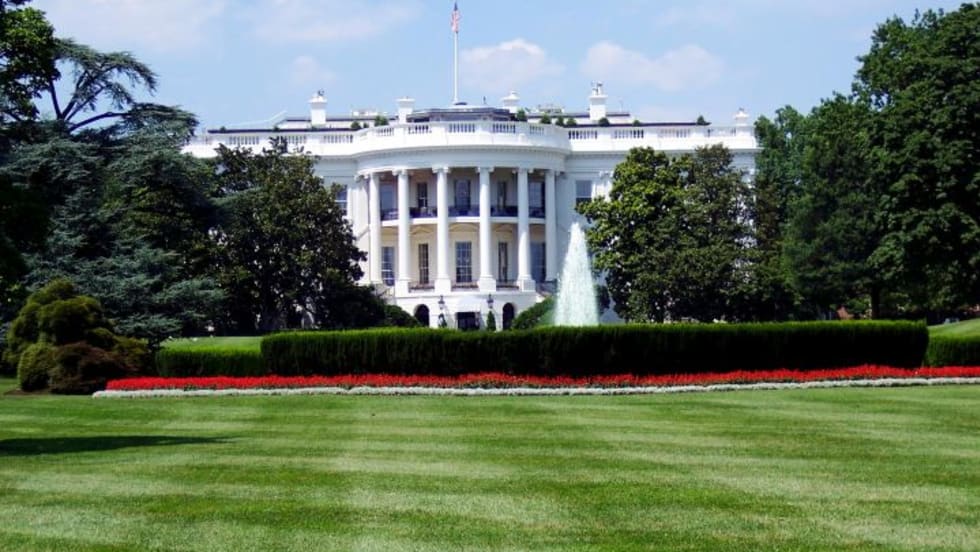
Administration’s plans should generally bode well for the industry.
Read More →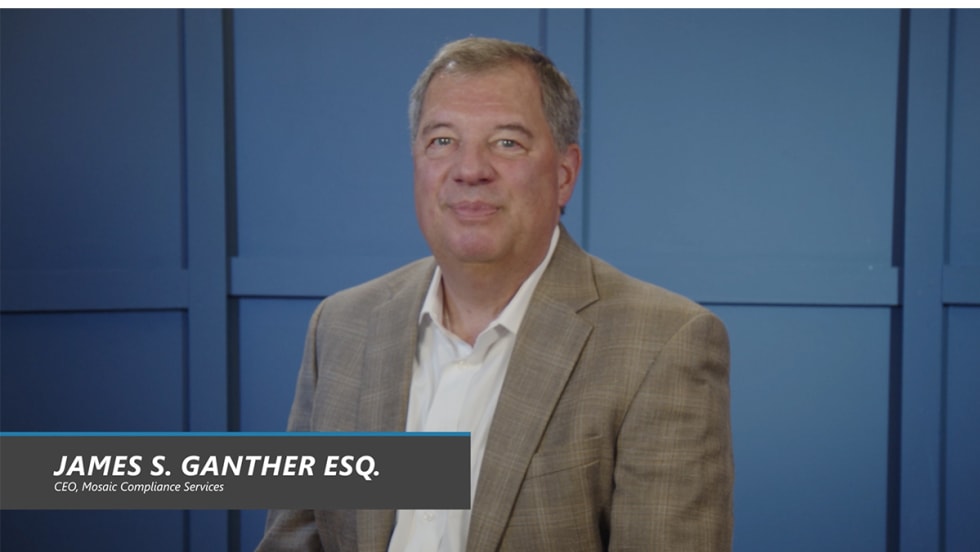
In this video, Jim Ganther of Mosaic Compliance Services, recaps the key takeaways from the oral arguments in the critical CARS Rule case, including potential outcomes and what dealers should do to stay ahead of compliance changes.
Read More →
The players in the automotive industry should coordinate their responses to this pending regulation.
Read More →
Where forms, documents, agreements and contracts could be in 50 years.
Read More →